-

Protect Your Assets from Medicaid Recovery in Utah
Upon the death of a Utah Medicaid recipient, families may be surprised to receive a letter from the Office of Recovery Services (ORS) seeking reimbursement for long-term care costs. Understanding ORS’s Medicaid Estate Recovery Program (MERP) and its implications can help families navigate this process. Protections exist for certain heirs, while planning tools like Medicaid…
-

Understanding TEFRA Liens in Utah: Essential Insights
In Utah, TEFRA liens allow the state to secure repayment for Medicaid costs related to long-term care while the recipient is still alive, specifically for those permanently institutionalized. Federal protections exist to shield vulnerable family members. Understanding TEFRA liens is vital for families to safeguard assets, as they can complicate property transfers and necessitate advance…
-

What is CANA? Understanding the Cremation Association of North America for Utah Families
The Cremation Association of North America (CANA) is vital for families in Utah considering cremation. Membership signifies a commitment to professional standards, ongoing education, and ethical practices. While CANA membership is helpful for assessing providers, it should be evaluated alongside other factors like licensing, community reputation, and customer service.
-

Understanding Utah Cremation Costs: A Comprehensive Guide
In Utah, cremation costs range from $695 to $2,300 for direct cremation, while full-service cremation averages $5,803. Various service types offer flexibility, with direct cremation being the most affordable. The growing trend reflects increasing acceptance of cremation in the state, making it a popular choice for families seeking cost-effective options.
-

Utah National Cemeteries: Complete Guide (2025)
Utah has three cemeteries dedicated to veteran burials: Fort Douglas Post Cemetery, Utah Veterans Cemetery and Memorial Park, and Southern Utah National Cemetery. Each facility has specific eligibility requirements and offers significant burial services. Understanding the options available is essential for veterans and families planning burials, assuring dignified memorials within proximity.
-

VA Funeral & Burial Benefits for Utah Veterans (2025)
Utah’s veteran community, comprising over 110,000 individuals, can access substantial VA funeral and burial benefits, including up to $2,978 in allowances, free state cemetery burials, and military honors. Understanding these benefits is crucial for families to make informed decisions and honor veterans’ service appropriately during challenging times.
-

First 24 Hours After a Death in Utah: Step-by-Step Guide
The first 24 hours after a death in Utah are critical for legal and practical procedures, including the pronouncement of death, body refrigeration or embalming, and initiating death certificate paperwork. Immediate notifications to funeral homes and family members are essential, while avoiding hasty decisions and understanding legal requirements can ease the grieving process.
-

How to Write an Obituary in Utah: Complete Guide
Writing an obituary in Utah honors a loved one’s memory, despite being optional. This guide details legal requirements, the differences between obituaries and death notices, and practical tips for writing. It emphasizes personal touches, community notification, and memorial service details while offering resources for publishing in local newspapers and online platforms.
-

Know Your Rights: The FTC Funeral Rule Explained for Utah Families
When someone you love dies, you’re forced to make dozens of decisions quickly while grieving. Funeral homes know this. That’s exactly why the Federal Trade Commission created the Funeral Rule in 1984—to protect consumers when they’re at their most vulnerable. This isn’t just helpful advice. These are your legal rights under federal law, and every…
-
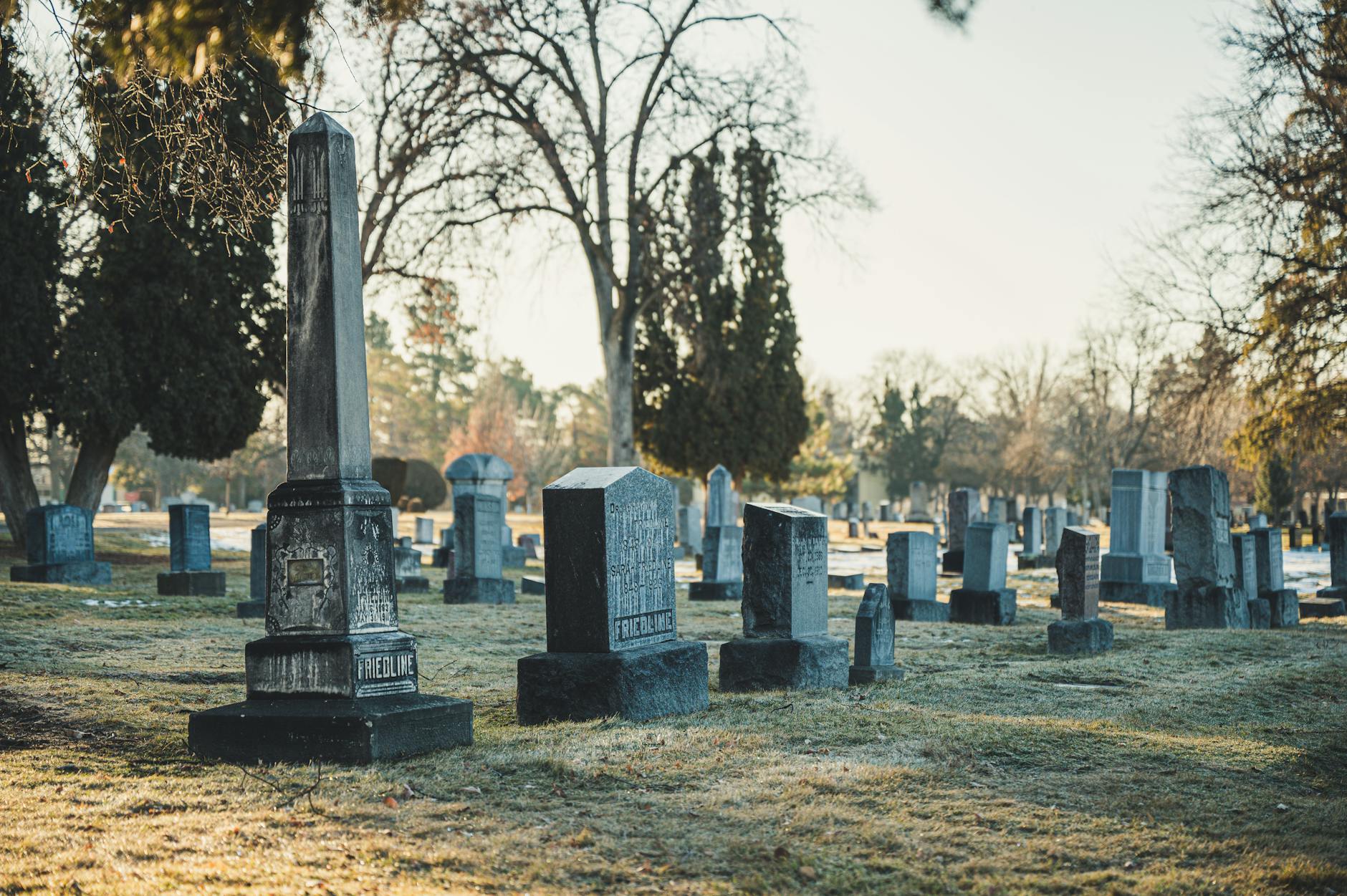
Utah Burial Transit Permit: Complete Guide
Bottom Line: A burial transit permit is legally required in Utah before you can move human remains from the place of death to any other location, including a funeral home, crematory, or cemetery. The permit is issued by your county health department’s vital records office after the death certificate is completed. Most families working with…